New Era with SiC Tech (1st Company Worldwide)
New Era with SiC Tech (1st Company Worldwide)

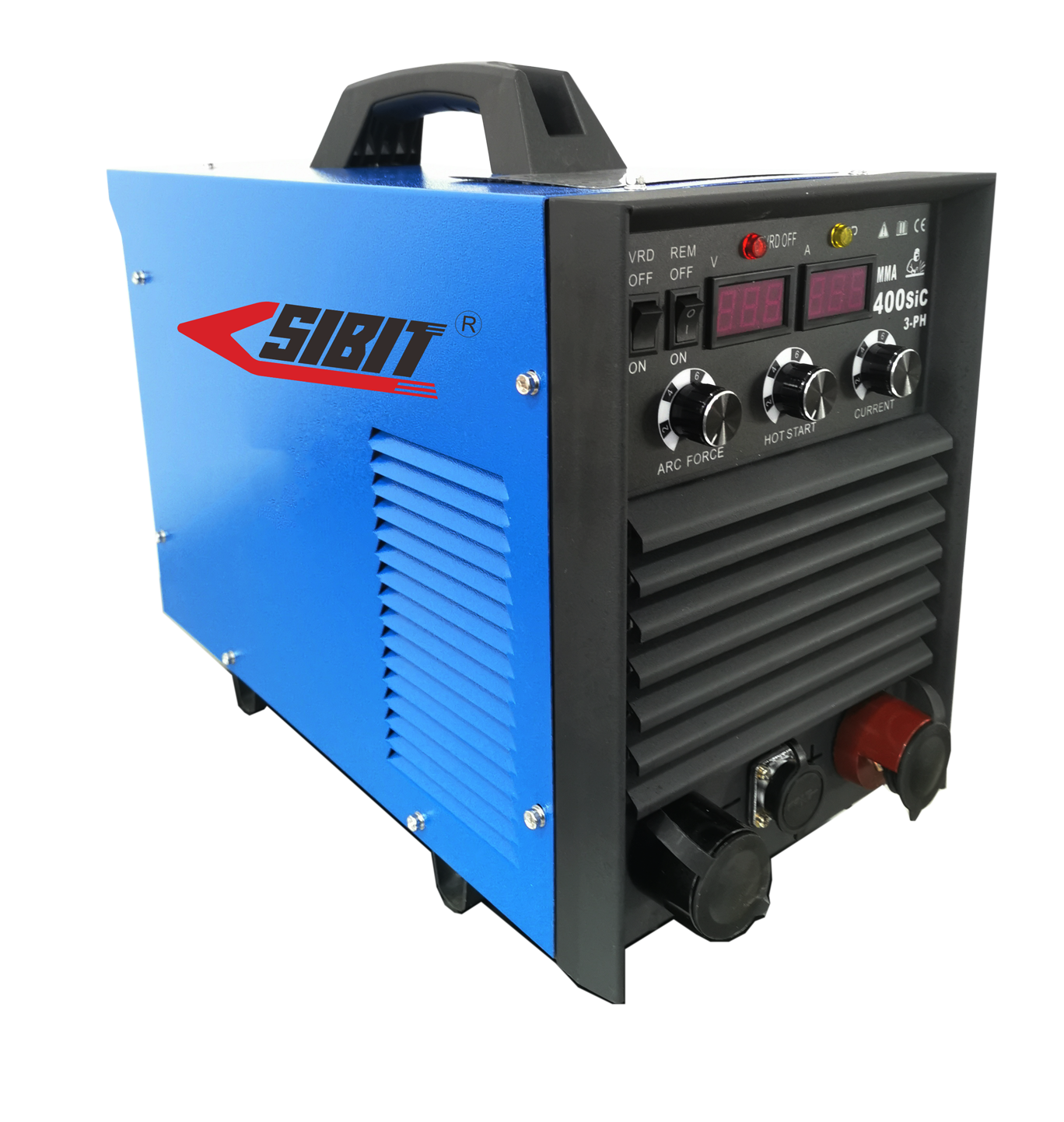
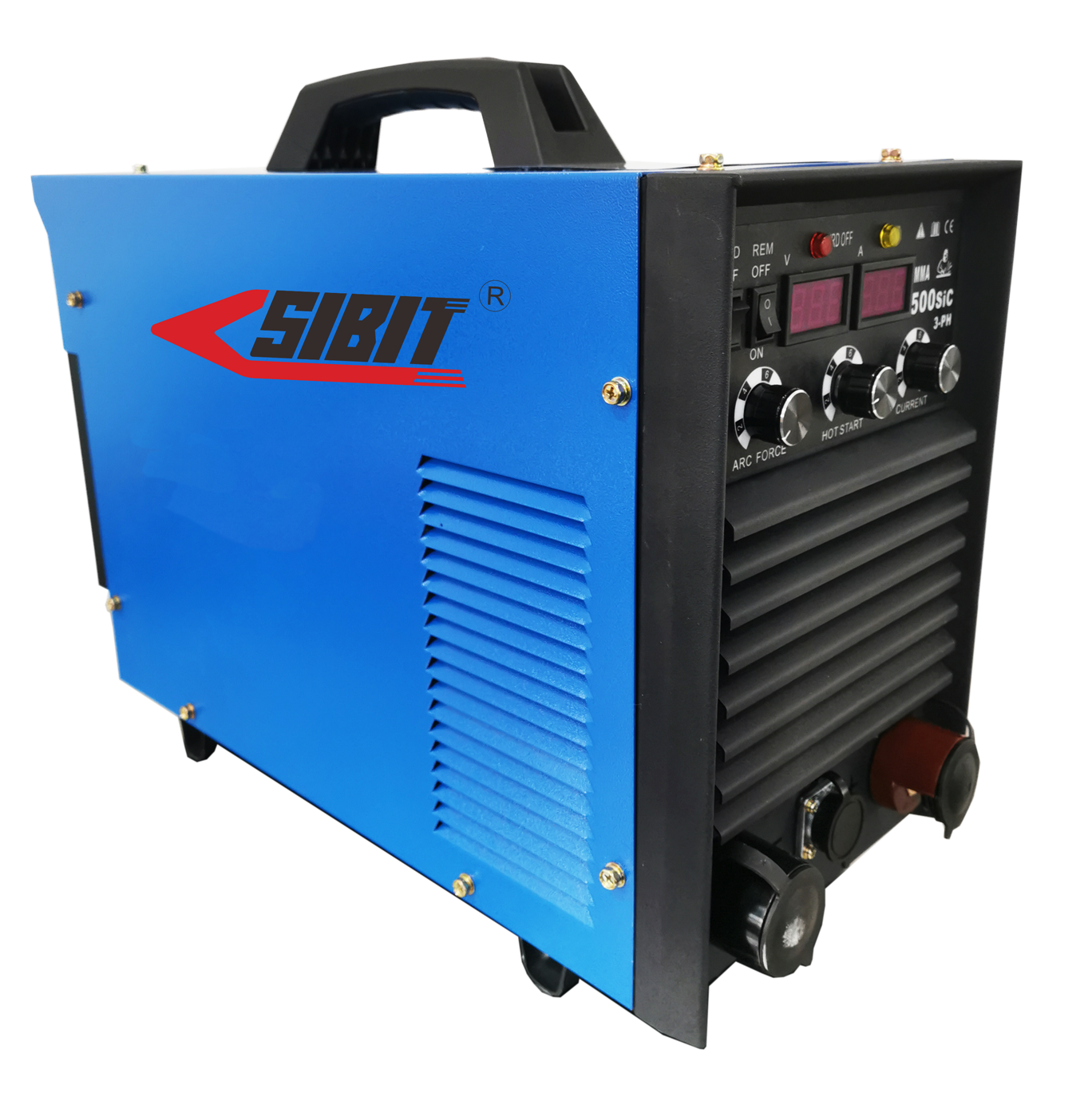
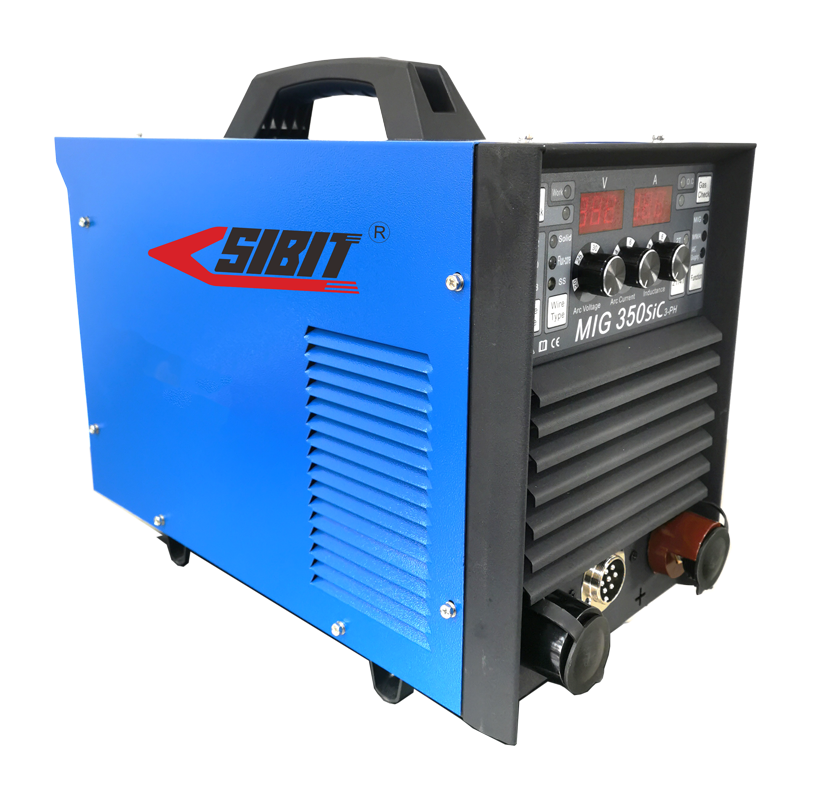
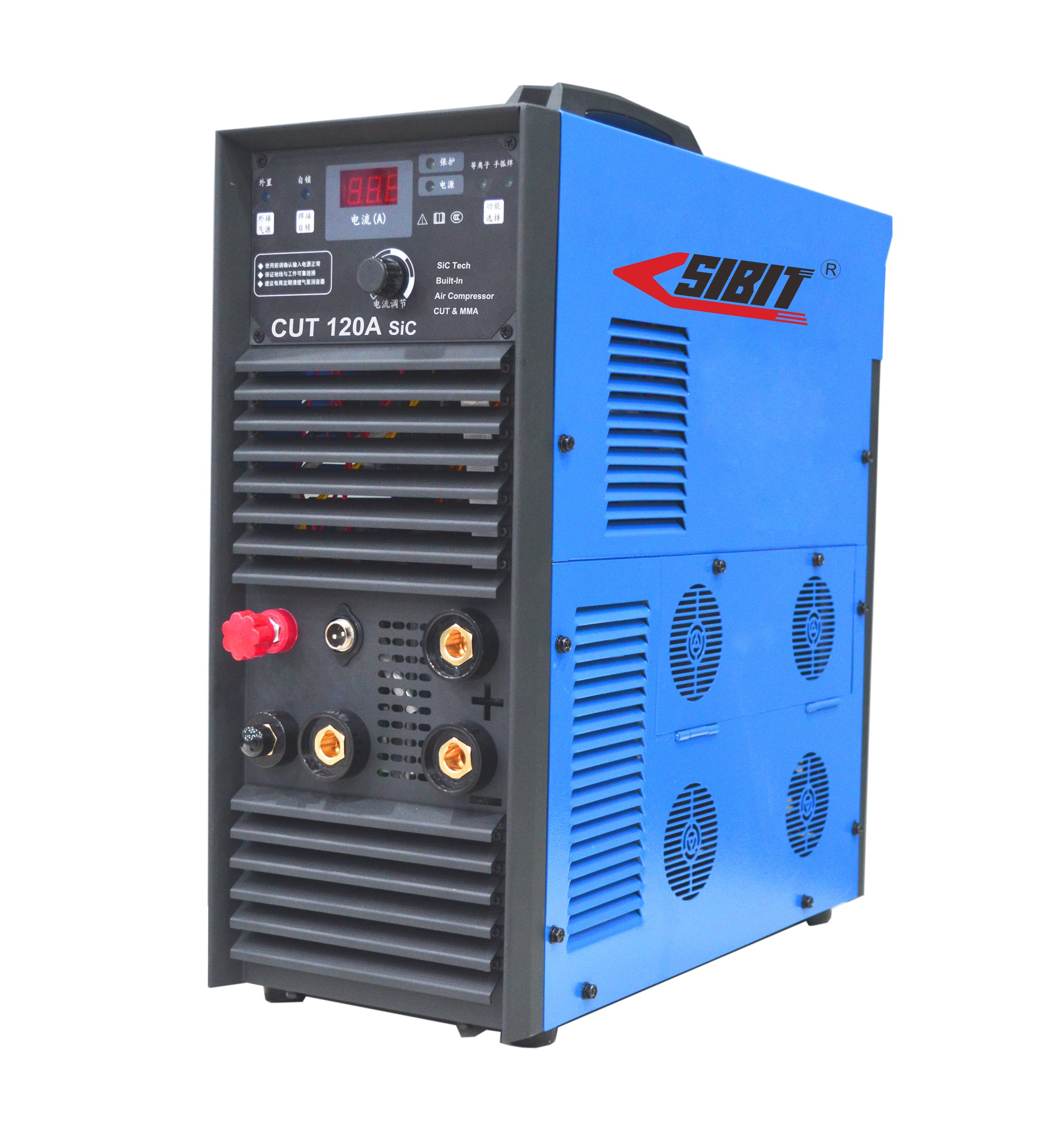
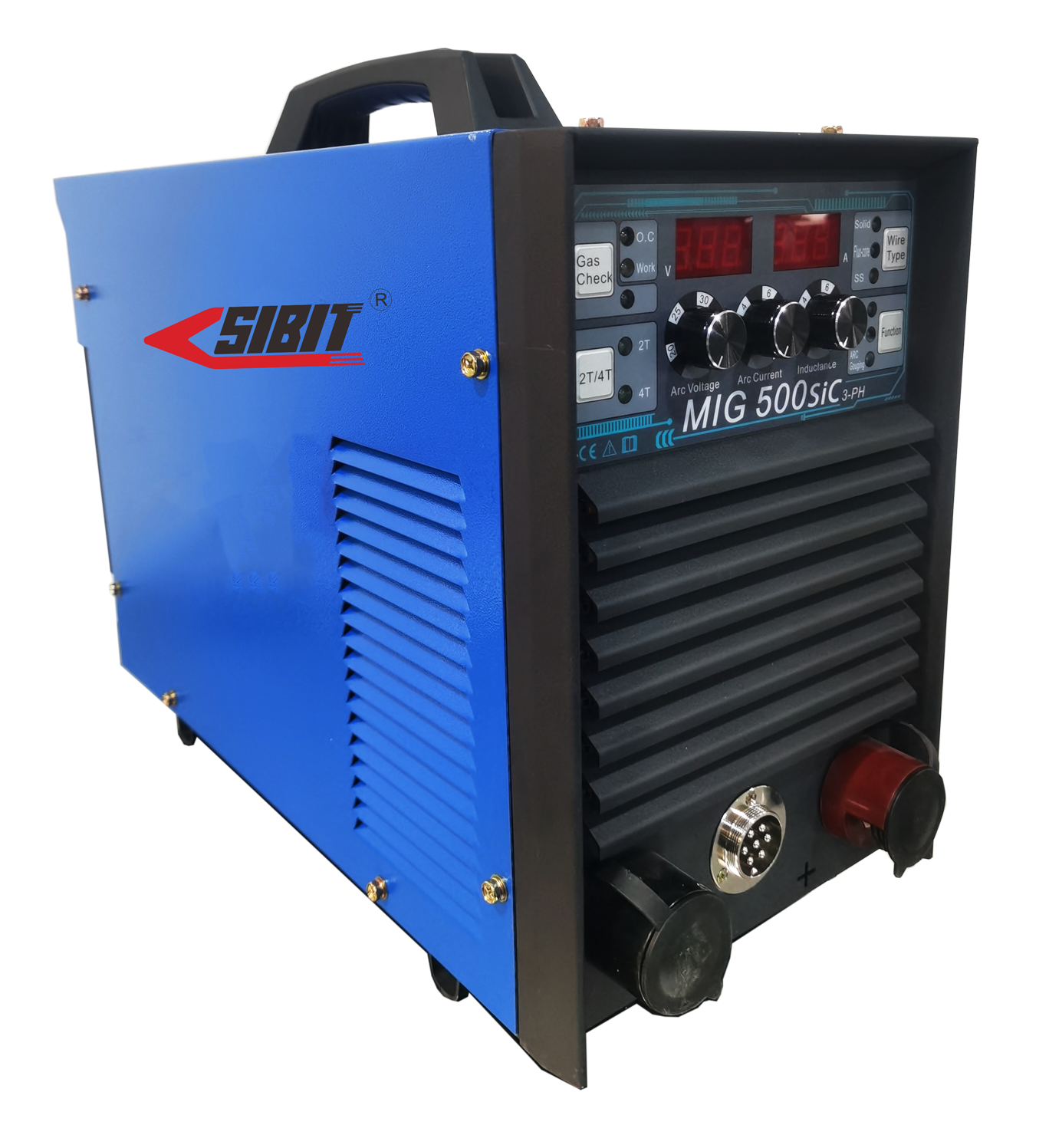
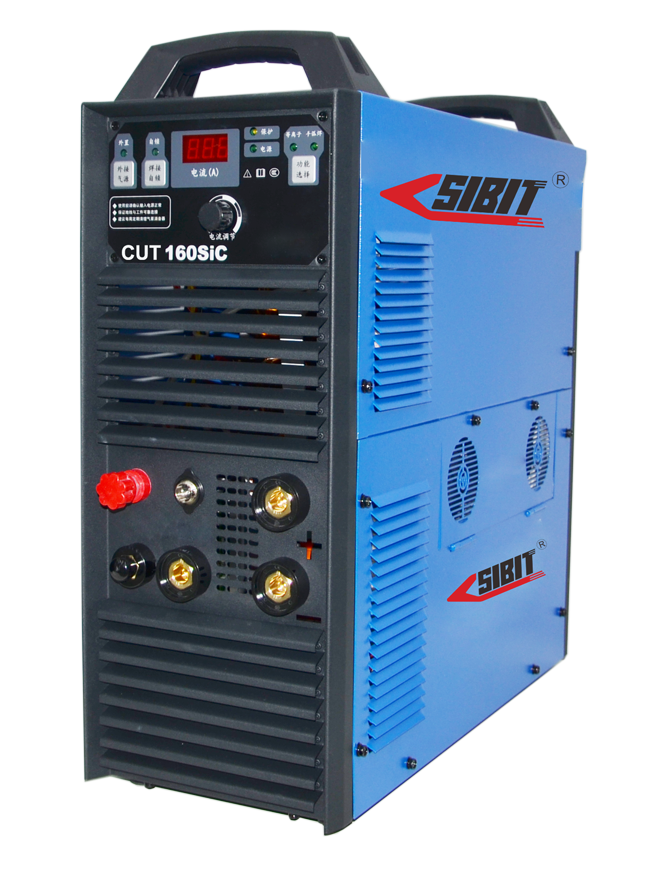

What is SiC Technology?
Silicon Carbide (SiC) is a semiconductor material that exhibits superior electrical and thermal properties compared to traditional inverting units, such as IGBT (Cell or Modules) & Mosfet.
It is used in power electronics for its ability to operate at higher voltages, frequencies, and temperatures. When applied to welding equipment, SiC technology enhances performance, efficiency, and durability.
Benefits of SiC Technology in Welding Equipment
Higher Efficiency:
SiC devices have lower electrical losses, leading to higher efficiency in power conversion. This translates to reduced energy consumption and lower operational costs.
Compact and Lightweight:
SiC technology allows for the design of more compact and lightweight welding equipment. This is due to its ability to operate at higher frequencies, which reduces the size of passive components like transformers and inductors.
Enhanced Thermal Management:
SiC can withstand higher temperatures, improving the thermal management of welding equipment. This results in better performance under high load conditions and prolonged operational life.
Greater Power Density:
The ability to handle higher power levels in a smaller footprint means SiC-based welding machines can deliver more power without increasing the size of the equipment.
Improved Performance:
SiC technology enables faster switching speeds, resulting in a more stable arc, less spatter, and improved weld quality. This is particularly beneficial for high-frequency welding applications.
Robustness and Reliability:
SiC components are more robust and reliable under harsh conditions, including high voltage and high temperature environments. This ensures the welding equipment is durable and requires less maintenance.
Conclusion
SiC technology in welding equipment brings significant improvements in efficiency, performance, and durability.
It represents the future of welding technology, offering users advanced solutions for their welding needs. Whether for industrial, commercial, or specialized welding applications, SiC technology provides a superior alternative to traditional inverter-based systems (typically IGBT or Mosfet).
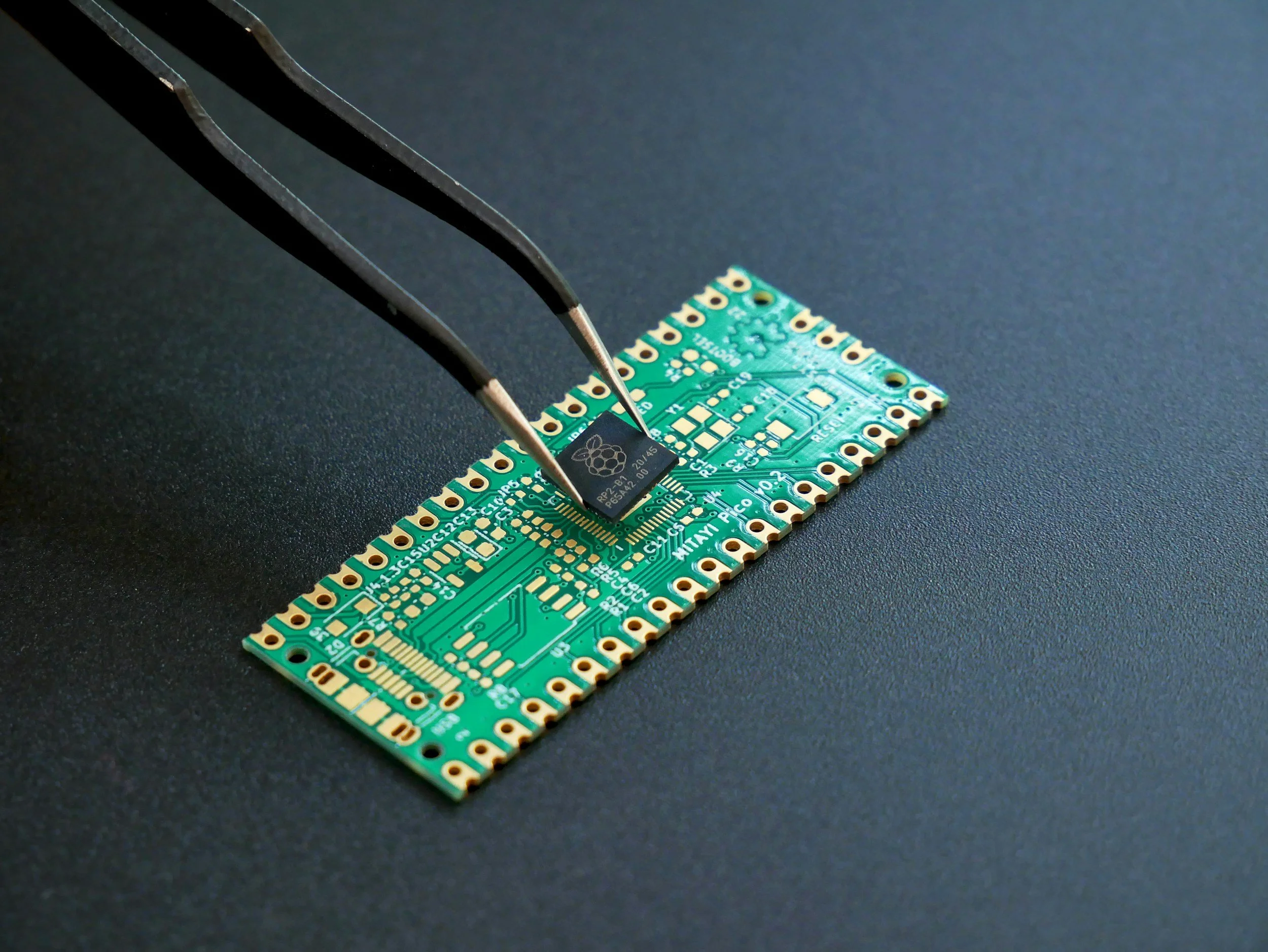
What are the main properties of silicon carbide?
The combination of silicon with carbon provides this material with excellent mechanical, chemical and thermal properties, including:
high thermal conductivity
low thermal expansion and excellent thermal shock resistance
low power and switching losses
high energy efficiency
high operating frequency and temperature (operating up to 200°C junction)
small die size (with the same breakdown voltage)
intrinsic body diode (MOSFET device)
excellent thermal management which reduces cooling requirements
long lifetime
Semiconductors based on silicon carbide offer higher thermal conductivity, higher electron mobility, and lower power losses.
SiC diodes and transistors can also operate at higher frequencies and temperatures without compromising reliability.
Why SiC can outperform IGBT at high frequencies?
In high-power applications, IGBTs and bipolar transistors have mostly been used in the past, with the aim of reducing the turn-on resistance that occurs at high breakdown voltages. These devices, however, offer significant switching losses, resulting in heat generation issues that limit their use at high frequencies.
Using SiC, it is possible to make devices, which achieve high voltages, low turn-on resistance and fast operation.
How can SiC semiconductors achieve better thermal management than silicon?
Another important parameter is the thermal conductivity, which is an index of how the semiconductor is able to dissipate the heat it generates. If a semiconductor is not able to dissipate heat effectively, a limitation is introduced on the maximum operating voltage and temperature that the device can withstand.

Why Choose Sibit Welding Equipment?
Precision engineering for superior weld quality
Versatile solutions for diverse welding applications
Robust construction for durability and reliability
Intuitive controls for ease of use and operation
Expert support and service to meet your welding needs
Trust Sibit for industry-leading arc welding equipment that delivers precision, reliability, and performance in every weld. Contact us today to learn more about our products and how they can benefit your business.