
A little bit of technical stuff
VRD & OCV & NO LOAD VOLTAGE
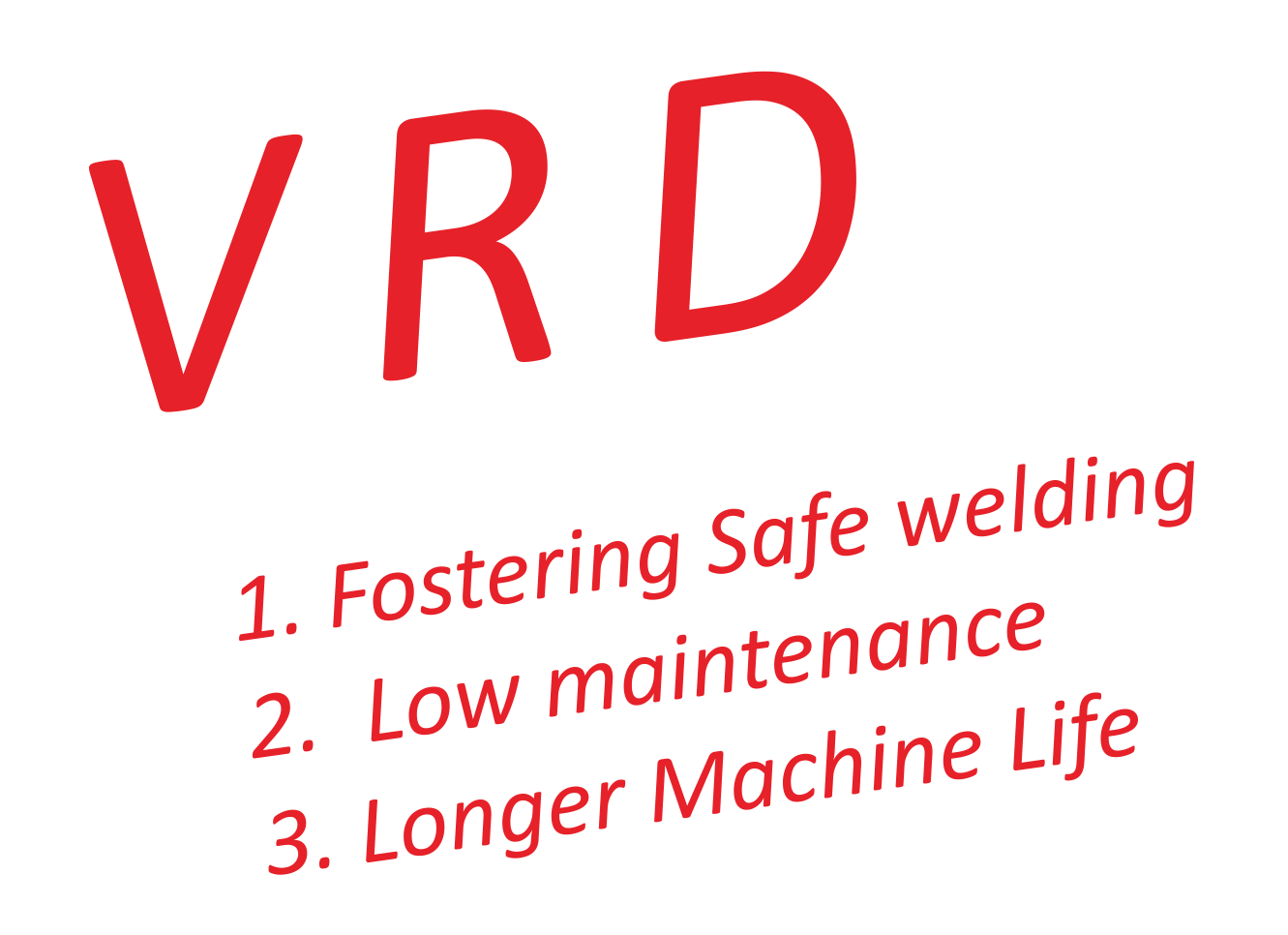
What is VRD (Voltage Reduction Device) in Welding?
A Voltage Reduction Device (VRD) is a safety feature used in MMA (Manual Metal Arc) and TIG (Tungsten Inert Gas) welding machines. Its primary purpose is to reduce the open-circuit voltage (OCV) of the welder when it is not actively welding. High open-circuit voltage can be hazardous, especially in wet or damp environments or when welding in confined spaces. VRD helps prevent electrical shocks to the welder by lowering this voltage to a safer level when the electrode is not in use.
How Does VRD Work?
Idle Mode (No Welding):
When the welder is not actively welding (i.e., the electrode is not touching the workpiece), the VRD reduces the open-circuit voltage to a low, safe level — typically below 24V. This ensures the welder is protected from potential electric shock risks.Active Welding Mode:
When the electrode touches the workpiece and an arc is struck, the VRD automatically switches off, allowing the welding machine to deliver the full operating voltage and current needed for welding. This process is instantaneous and does not affect the welding performance.Return to Safe Mode:
As soon as welding stops and the arc is extinguished, the VRD reactivates and reduces the open-circuit voltage again.
Benefits of VRD
Increased Safety:
Reduces the risk of electric shock, especially in damp environments or when working with wet gloves or surfaces.Compliance with Safety Standards:
Many welding safety regulations and standards, such as EN 60974-1 and AS/NZS 60974, require VRD functionality for certain welding environments.User Confidence:
Welders can work more confidently in hazardous conditions, knowing the machine minimizes the risk of electric shock.
When is VRD Most Useful?
Wet or Damp Conditions:
Welding in wet environments significantly increases the risk of electric shock, making VRD essential.Confined Spaces:
In confined spaces, the risk of accidental contact with live components is higher. VRD minimizes this risk.Maintenance and Repair Work:
In situations where the welder might need to repeatedly stop and start, VRD provides continuous protection during idle periods.
Limitations of VRD
Reduced Arc Striking Performance:
In some cases, especially with low-quality electrodes, the reduced open-circuit voltage can make it slightly harder to strike an arc. However, modern VRD systems are designed to minimize this issue.Not a Substitute for Proper Safety Practices:
While VRD enhances safety, welders must still follow standard safety procedures, such as wearing proper protective gear and ensuring the work area is dry.
Conclusion
A VRD is an essential safety feature in modern welding machines, especially for high-risk environments. By reducing the open-circuit voltage during idle periods, it helps protect welders from electric shock without compromising welding performance. When purchasing welding equipment, particularly for hazardous environments, it’s worth ensuring the machine is equipped with VRD functionality.